Stress and Mental Performance: Why Recovery Is the Missing Half
Pressure that never resolves behaves differently from pressure that does. What chronic stress costs cognitively, and the habits that genuinely offset it.
The stress response is not a design flaw. It is a fast, well-coordinated system for handling threat: heart rate rises, glucose becomes available, attention narrows, and functions not needed immediately get deprioritised. It works, and it is supposed to end.
The modern problem is that it frequently does not end. Pressure that resolves and pressure that persists are physiologically different situations, and the second is where the cognitive cost accumulates.
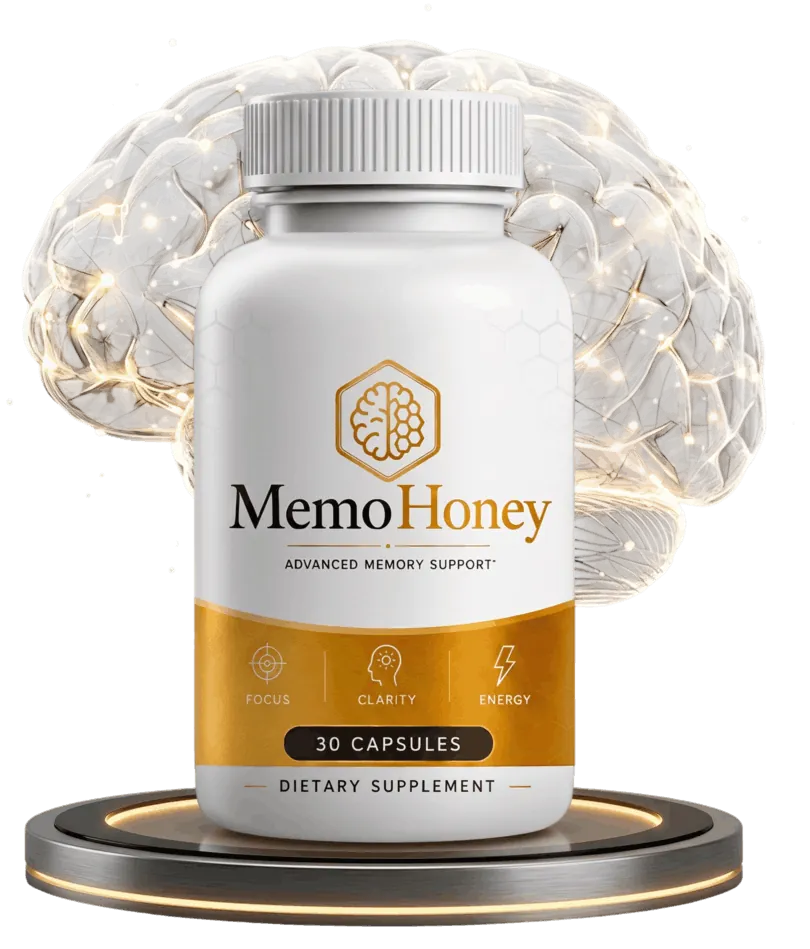
What Chronic Stress Costs, and What MemoHoney Can Address
An acute stressor triggers the response, and afterwards the system stands down. The whole arc might take an hour. Chronic stress has no stand-down phase, and functions temporarily deprioritised stay deprioritised.
- Attention narrows. Useful facing an actual threat; costly across a working week that requires flexible thinking and holding several things in mind.
- Working memory shrinks. The mental workspace where you hold information while using it is measurably affected, which is why stressed people lose track mid-sentence.
- Sleep degrades. Falling asleep takes longer and waking happens more often, which compounds directly into the next day.
- Encoding suffers. Because attention is compromised, less gets stored in the first place — and this is frequently experienced as a memory problem when it is actually an attention problem.
- Motivation for the countermeasures falls. The cruel part: stress specifically erodes appetite for the exercise, cooking and social contact that would help most.
Recovery Habits That Matter More Than MemoHoney
Here is the central reframing. Most people treat recovery as what happens when nothing else is scheduled, which means it never happens. Treating it as something that occupies time deliberately changes the outcome.
- Protect sleep first. Everything else works better afterwards.
- Aerobic exercise. Among the best-supported interventions for stress and mood, and the effect does not require intensity.
- Actual disengagement. Not scrolling, which keeps the same systems running. Something absorbing enough to occupy attention fully.
- Social contact. Consistently associated with better outcomes and consistently the first thing people drop when busy.
- Time outdoors. Modest but real effects, and easy to combine with the exercise item.
- Breathing practices. Slow controlled breathing has a measurable effect on the autonomic nervous system and takes five minutes.
Where a Supplement Like MemoHoney Sits in This Picture
Beneath every item above. A daily nutritional product operates at the margin of a system whose main determinants are sleep, movement, social connection and whether the source of pressure is still there.
The important limit: nothing in a capsule removes the source of stress. Using a supplement to tolerate a level of chronic pressure that ought to be addressed structurally is treating a symptom while the cause continues.
When to Seek Help Rather Than Reach for MemoHoney
Stress persisting for months, disrupting sleep regularly, or accompanied by persistent low mood, loss of interest or hopelessness warrants a conversation with a doctor. Depression and anxiety disorders are common, frequently present as fatigue, irritability and difficulty concentrating rather than sadness, and are treatable.
This matters particularly here because depression in older adults can present with memory and concentration problems severe enough to be mistaken for cognitive decline. It is treatable, and it responds to the right help rather than to a supplement.
Where MemoHoney fits. Its ingredients are positioned as daily nutritional support around recovery habits rather than as a replacement for addressing the source of pressure. See what is in the formula or read how the daily routine works.
More From the MemoHoney Library
Sleep and Cognitive Wellness: Where Memory Is Actually Made
Memory consolidation happens largely while you sleep. What that means in practice, and why sleep apnoea is the most underdiagnosed cause of foggy thinking.
Routines · 9 minBuilding a Wellness Routine You Will Still Be Doing in a Year
Most routines fail for structural reasons rather than motivational ones. How to design one around the week you actually have.
Start Your MemoHoney Routine
MemoHoney is a daily cognitive wellness formula built around six ingredients, taken as one capsule each morning. Every package is backed by the 60-day money-back guarantee, and pricing and stock are confirmed on the official checkout.
From $49 per bottle on six · 60-day guarantee · Free US shipping on three and six bottles